

Remember what life was like before mobile phones and tablets? Come to think of it, neither do we.
But somehow people lived – and raised children – without screens for thousands of years.
When you’re facing a long car ride or the dreaded wait for food at a restaurant, it’s tempting to hand your child a screen and enjoy the blessed silence.
But before you surrender to the digital babysitter, consider this: there are alternatives that not only keep little hands busy but also build their brains in ways that a tablet or phone simply can’t.

And rest assured: It is possible to keep children preoccupied without having to resort to tablets and mobile phones, and without sparking an armed revolution in the restaurant.
In this article, we’ve rounded up six screen-free activities that will not only save your sanity but also boost your child’s development. The best part? Science says they work.
Table of Contents
Why We Screen-Free Activities to Entertain our children
No one denies that digital devices offer convenience and entertainment and will turn a loud child quiet. But excessive screen time poses significant risks to children’s development.
Research points to the connection between increased screen exposure and a negative impact on numerous cognitive functions, including “executive functioning, sensorimotor development, and academic outcomes.”
Similarly, direct correlations have been found between screen time and reduced academic achievement, with “each one-hour increase in TV exposure at two years of age corresponding to a 7% unit decrease in participation in class” later in school.
Perhaps most concerning is screen time’s effect on language development.
When children spend excessive time on devices, they experience “fewer chances to practice and develop their language abilities” due to diminished quality of interactions with caregivers.
Background screen use is particularly a problem. Even when not directly watching a screen, children exposed to background television show “adverse effects on language usage, executive functioning, and cognition” under age five.
Social-emotional development suffers too.
Research has linked excessive screen time to “obesity, sleep problems, depression, and anxiety” in children. Different screen activities have distinct impacts – “computer use and video gaming, but not television viewing, were shown to be connected with more severe depressive symptoms.”
Early exposure to violent content also “raises the chance of engaging in antisocial behavior.”
Fortunately, simple parental interventions can “significantly lower children’s screen time,” with effective strategies including setting clear time limits and creating screen-free zones, particularly in bedrooms.
Expert guidelines recommend age-appropriate limits: 30 minutes to 1 hour daily for ages 3-7, gradually increasing to no more than 2 hours for teenagers.
So let’s put those screens aside and review these science-backed alternatives that will not only keep your kids entertained but also support their cognitive, social, and emotional development in ways that digital devices simply cannot.
Drawing
Drawing is a powerful developmental tool backed by scientific research.
Engaging in artistic activities has been shown to develop brain capacity in early childhood and build essential fine motor skills needed for writing later on.
According to research comparing Chinese and Western approaches to childhood art by Jolley & Zhang, the creative process of drawing helps children express ideas and emotions they might not have the vocabulary for yet.
When children draw freely, they’re practicing cognitive skills like understanding cause and effect (pressing harder makes darker lines) and developing critical thinking through planning and execution.
I like to carry a small notebook and a small case with some colored pencils or crayons in my bag before heading out with my children (7 year old daugher, 6 year old son). For restaurants, you might want to consider bringing washable markers that won’t roll off the table.
Encourage your child to draw what they see around them or illustrate a story you’re telling them. This adds a language development component to the activity.

Remember, as Picasso said, “Every child is an artist.”
And remind them to focus on the process rather than the end result. Perfection is the enemy of good, and it is helpful to instill this understanding in children by getting them to be patient as they gradually improve. I’ve written on the values adults can learn by drawing with their children on the ASCD blog.
One other point: Instead of asking “What is that?” I find that asking open-ended questions like “Tell me about your picture” helps boost a child’s creativity and language skills.
Reading Books
Reading with your child is a fantastic way to pass time in restaurants or during long drives (as long as you’re not the person driving obviously!). Reading is an investment in your child’s future success.
According to research from the UK Department for Education, reading for pleasure is more important for children’s educational achievement than their family’s socioeconomic status.
Science confirms the cognitive benefits are substantial. Psychology Today found that children who read for pleasure show increased size in brain structures involved in cognition, language, and visual processing.
The UK’s National Literacy Trust’s research revealed that children who enjoy reading in their free time are twice as likely to have above-average reading skills compared to those who don’t (34.2% vs 15.7%).
The best thing to do is to keep a few small books in your bag for unexpected waits. For restaurants, I recommend choosing books with illustrations or interactive elements like flaps or textures.
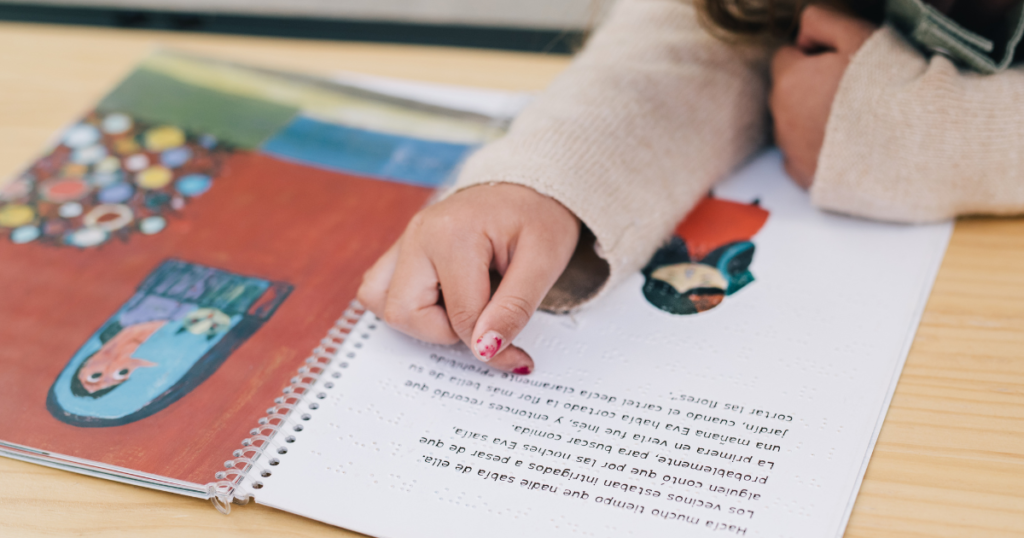
For car or bus rides, audiobooks are an excellent alternative that keeps the whole family entertained while supporting language development.
And here is the most important takeaway: Reading together creates valuable bonding opportunities.
When reading with your child, you can ask open-ended questions about the story to enhance comprehension and critical thinking.
The Department for Education notes that this approach helps develop “text comprehension and grammar” and “breadth of vocabulary” while fostering a lifelong love of reading.
Even short reading sessions make a difference. The National Literacy Trust suggests that just 10 minutes a day can provide significant benefits.
For kids who claim to not like reading, remember that comics, magazines, and activity books count too. Giving children choice in their reading material increases their engagement and enjoyment of reading.
Card Games
Card games are great learning tools backed by scientific evidence. Research published in PMC found that even brief sessions of playing numerical card games significantly improved preschoolers’ math skills, with benefits lasting at least eight weeks after playing.
These improvements were particularly valuable for children from low-income backgrounds who often start school with a mathematics gap.
Beyond mathematics, card games develop crucial executive functioning skills.
They enhance memory, promote quick thinking, and encourage strategic planning—all while children are simply having fun (Nord Anglia Education).
The cognitive benefits extend to problem-solving abilities as children learn and adjust strategies throughout gameplay.
The physical benefits shouldn’t be overlooked either. Edge Early Learning notes that “holding cards will work your child’s smaller hand and finger muscles, while dealing and sorting them requires children to use their thumb, index and middle finger.”
These activities develop the fine motor skills essential for writing and other precision tasks.

As an added benefit, playing together provides valuable opportunities to teach gracious winning and losing, developin
Conversation Games
Many children are facing what experts call a “communication crisis,” with face-to-face interaction skills declining due to excessive screen time.
Engaging children in conversation games during restaurant waits or car rides offers a perfect opportunity to develop these crucial skills while keeping them entertained with no screens required.
Conversation games build essential life skills that extend far beyond simple entertainment.
Research shows that “equipping children with effective communication skills results in higher levels of emotional intelligence, higher test scores, lowering incidents of bullying, and improvements in overall mental wellbeing” (GVI). These skills become the foundation for success in both personal relationships and future professional endeavors.
Simple games like “I Spy” or “20 Questions” are perfect for restaurants or car trips, requiring no materials while developing description skills, vocabulary, and turn-taking.
“The Guessing Game” teaches children to use both open and closed questions—a fundamental communication skill that helps them gather information effectively.
For younger children, “Emotional Charades” helps develop emotional intelligence by identifying feelings through facial expressions.
These activities aren’t just fun—they’re addressing a critical developmental need.
As one source notes, “Communicating well enables people to know and ask for what they need, and can result in higher self-efficacy” (GVI).
By practicing through games, children learn to express themselves clearly and confidently in real-world situations.
Research confirms that “parents who model good communication have children who are—shocker—better at communicating with others.”
This reinforces the value of engaging in these conversation games together, demonstrating the skills you hope to instill.
The experts remind us that “good communication is a habit, and it needs to start young” to establish patterns that will benefit children throughout their lives.
Music-based Activities
Music is a powerful developmental tool backed by extensive research.
Studies show that engaging with music activates both sides of the brain simultaneously, building crucial neural connections that enhance how quickly children can think and process information (Queensland Education).
For restaurant outings or car trips, create a small music kit with portable instruments like egg shakers, a harmonica, or a small tambourine. Singing games like “Down by the Bay” where you take turns making up rhymes can entertain children while building language skills.
According to Dr. Kyle Pruett from Yale, “Language competence is at the root of social competence. Musical experience strengthens the capacity to be verbally competent.”
Listening games are perfect for car rides—play “name that tune” or ask children to identify specific instruments in songs. These activities develop auditory processing skills, and studies show that “musicians outperformed non-musicians in auditory, visual, and memory tests” (“Tuning In”).
Creating simple rhythmic patterns for your child to repeat helps develop memory and coordination while keeping them engaged.
Perhaps most importantly, music brings joy. Queensland Education emphasizes that “music is fun, and if your child is having fun, their brain is open to learning.”
This intrinsic motivation makes music activities particularly effective for keeping children happily occupied in potentially challenging situations like restaurants or long drives, while simultaneously supporting their cognitive and emotional development.
Toys
Toys aren’t just entertainment. They’re developmental tools that serve as a child’s “profession,” according to research published in the Journal of Health Sciences.
When choosing toys for restaurant outings or travel, pick items that encourage imaginative play and active engagement rather than passive entertainment. This will support cognitive growth and emotional regulation.
And like many things, quality trumps quantity. In fact, research published in Infant Behavior and Development found that “toddlers engaged in longer periods of play with a single toy, allowing better focus to explore and play more creatively” when presented with fewer options.
Good news! That means bringing just a few well-chosen toys will actually result in more sustained attention and less distraction during restaurant visits or car rides.
And the best are toys that promote fine motor skills. Dolls, action figures, finger puppets, or magnetic drawing boards are excellent choices for restaurants.
These items help children “practice motor skills and improve hand-eye coordination” while developing the small muscles needed for writing later on.

The compact nature of these toys makes them perfect for tucking into a purse or glove compartment.
Consider toys that can serve multiple purposes. Simple building blocks, small dolls, or action figures encourage creative storytelling and help children “make sense of the world and see things more broadly.”
These toys allow children to process new experiences—like dining out—through play, making them valuable tools for cognitive and emotional development.
Even brief periods of engaged play during a restaurant wait or at rest stops during a long drive create meaningful connection opportunities.
This interaction not only keeps children occupied but also strengthens family bonds and models positive social skills that will benefit them throughout life.
Final Say on Alternatives to Screens for Kids
The science is clear: while screens might offer a quick fix, finding alternatives provide more meaningful entertainment that actively supports your child’s development.
Each option, whether drawing, reading, playing card games or having fun with music, builds different skills that will benefit your child far beyond the restaurant table or car seat.
Keep a small “entertainment kit” with a few of these options ready in your car or bag, and you’ll rarely find yourself reaching for the digital pacifier. The initial effort pays off in children who can entertain themselves, communicate effectively, and engage creatively with the world around them.
Perhaps most importantly, these screen-free activities create opportunities for genuine connection.
Those moments of shared laughter over a card game or collaborative storytelling aren’t just keeping the peace—they’re building memories and strengthening family bonds in ways that parallel screen time simply cannot.
Next time you’re tempted to hand over your phone to keep the peace, try one of these science-backed alternatives instead. Your child’s developing brain will thank you.
The journey of a thousand miles starts with a single step. And the first important step is the one you take with your child away from the screen.
