
Supporting educators and families to tackle cyberbullying
Preventing Cyberbullying Through Education and Awareness
Cyberbullying is repeated, deliberate harm through phones, games and social media: cruel messages, exclusion from group chats, shared photos, fake accounts. Because it follows children home, schools and families need to tackle it together.
Child Safeguarding Online. Updated September 2026.
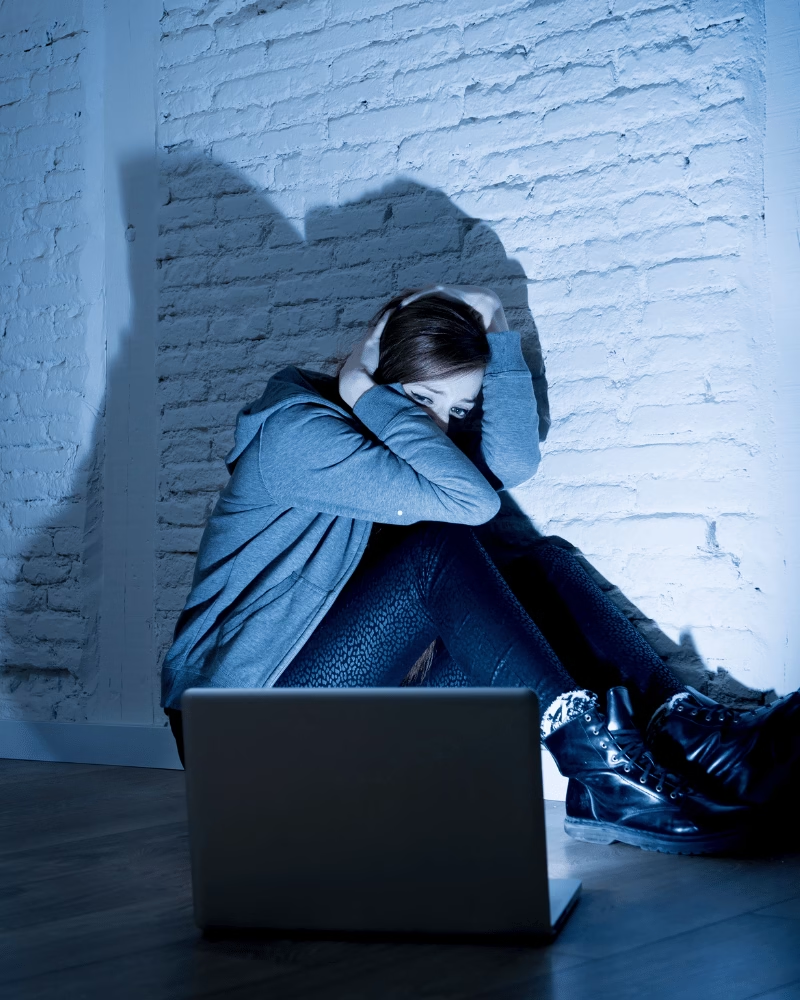
Table of Contents
Get Training for Your Community
Affordable, accessible, up to date training by education experts
Why it matters
Cyberbullying is a serious threat to children’s wellbeing
Cyberbullying can reach a child at any hour, in front of a large audience, and the content can stay online long after the incident. Many children never tell an adult, so it can continue for months before anyone notices.
For schools, it rarely stays online. Conflicts that start in a group chat or game carry into classrooms, and your anti-bullying policy needs to cover both.
Emotional Distress
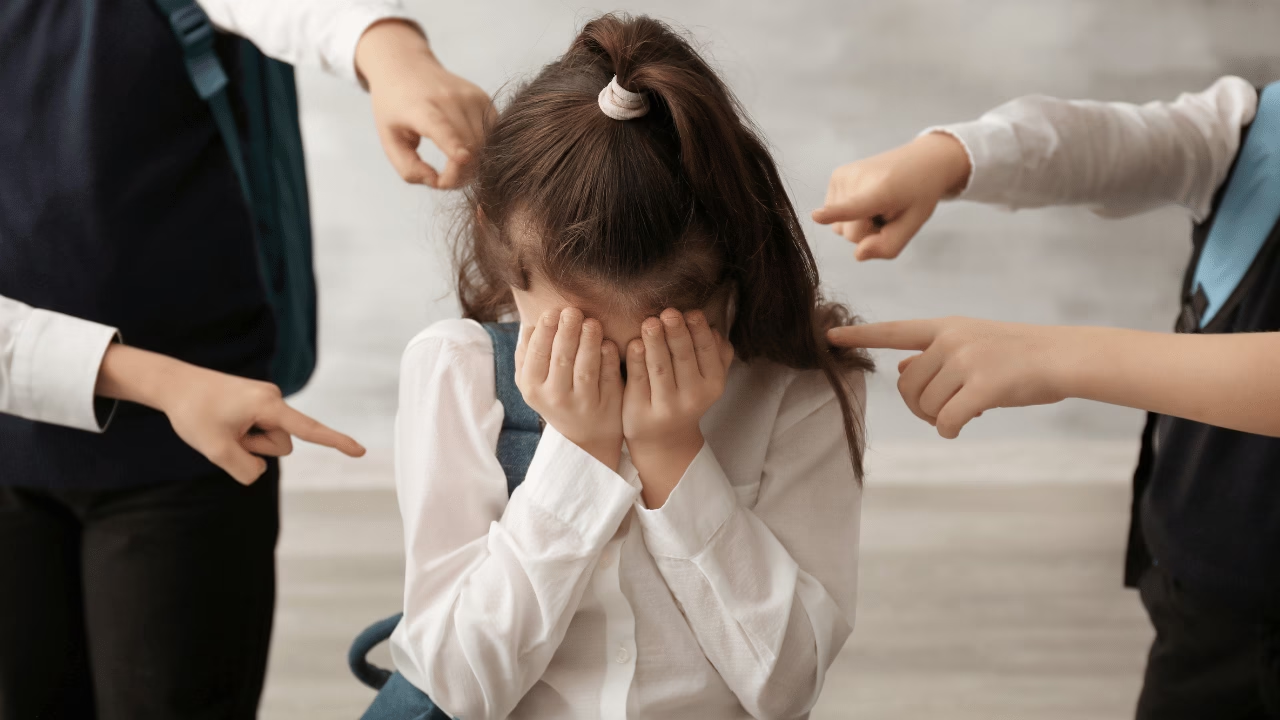
Children who are cyberbullied often feel upset, embarrassed, afraid or angry. Over time this can show up as anxiety, low mood and worry about what others think of them.

Lasting Consequences
Once content is shared it can be hard to remove completely. Children need help to understand that what they post, and what is posted about them, can last, and that adults can help get harmful content taken down.

Physical Manifestations
Cyberbullying is linked to poor sleep, headaches and stomach aches, and to falling behind at school. A child who suddenly complains of feeling unwell on school mornings may be avoiding something.

Relationship Challenges
Children being bullied online often withdraw from friends and family and become more self-critical. Feeling judged and left out can make it harder to build healthy friendships.
Get Training for your Community
Affordable, accessible, up to date training by education experts
How common is it
How often children experience cyberbullying
In the Cyberbullying Research Center’s 2025 survey of 3,466 US students aged 13 to 17, about 58% said they had been cyberbullied at some point, and about 25% said they had cyberbullied someone else. Comparable data for Vietnam and much of Asia is limited, but schools across the region report similar patterns.
Many children find it hard to tell the difference between banter and bullying, especially in group chats where messages are fast and adults are absent. Teaching them to recognise the difference, and to speak up as bystanders, is one of the most effective things a school can do.
What to do
How schools and parents should respond
- Tell the child they did the right thing by speaking up, and stay calm
- Save the evidence: screenshots of messages, usernames and dates
- Do not reply to or retaliate against the person bullying
- Block and report the account on the platform where it happened
- Tell the school, even if it happened outside school hours
- In school, record the incident and follow your anti-bullying and child protection policies
International school accreditation bodies such as the Council of International Schools expect schools to have clear anti-bullying policies that cover online behaviour. If a child is at risk of harm or expresses thoughts of self-harm, treat it as a child protection concern and involve your designated safeguarding lead straight away. In Vietnam, the National Child Protection Hotline is 111.