
Understanding how social media affects learning and wellbeing
Addressing Social Media Impacts on Education and Wellbeing
Heavy social media use is linked to distraction, poorer sleep and pressure on young people’s mental health during key years of development. We help schools and families set healthy boundaries and support young people who are struggling.
Child Safeguarding Online. Updated September 2026.
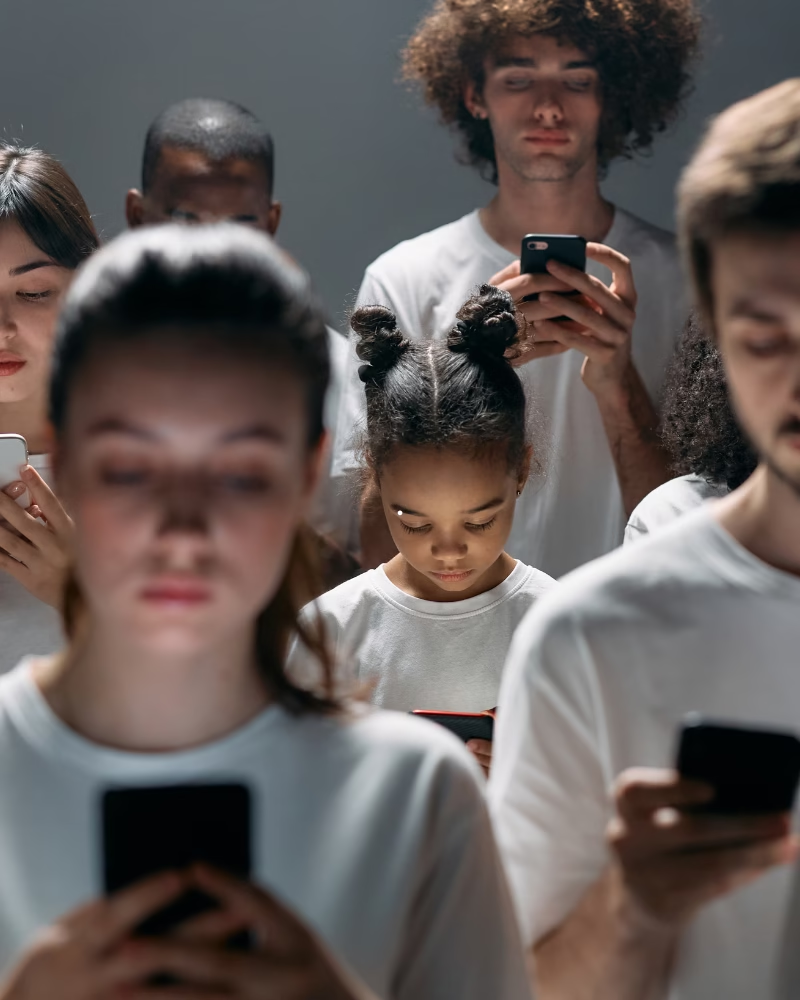
Table of Contents
Get Social Media Addiction Training for your Community
Affordable, accessible, up to date training by education experts
The school perspective
Social media is a major disruptor in schools
Social media platforms are designed to capture and hold attention. For young people, that time often comes at the expense of sleep, exercise, face-to-face friendships and homework.
Schools see the effects directly: tired students, conflicts that start online and spill into the classroom, and students who struggle to concentrate. They cannot solve this alone, which is why clear school policies and support for parents both matter.
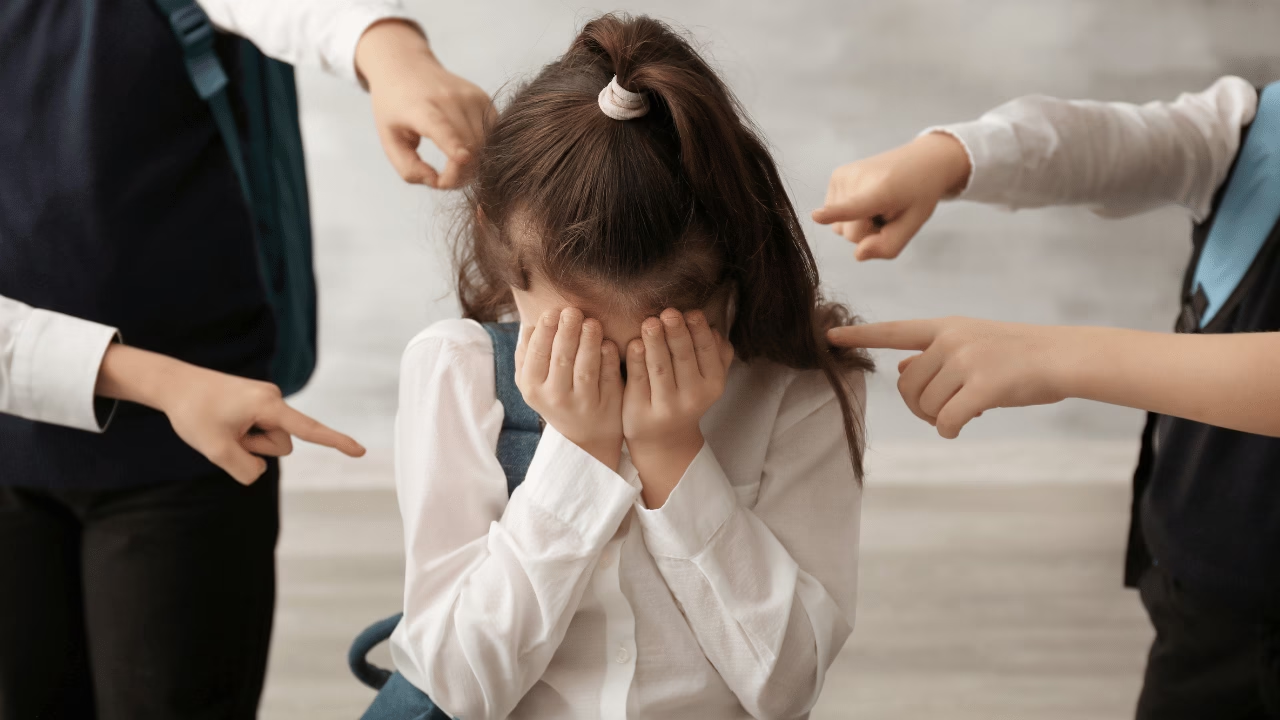
Mental Wellness Concerns
Research links heavy social media use with higher rates of anxiety and low mood in teenagers, particularly girls. It can show up as tiredness, isolation and difficulty focusing on schoolwork.
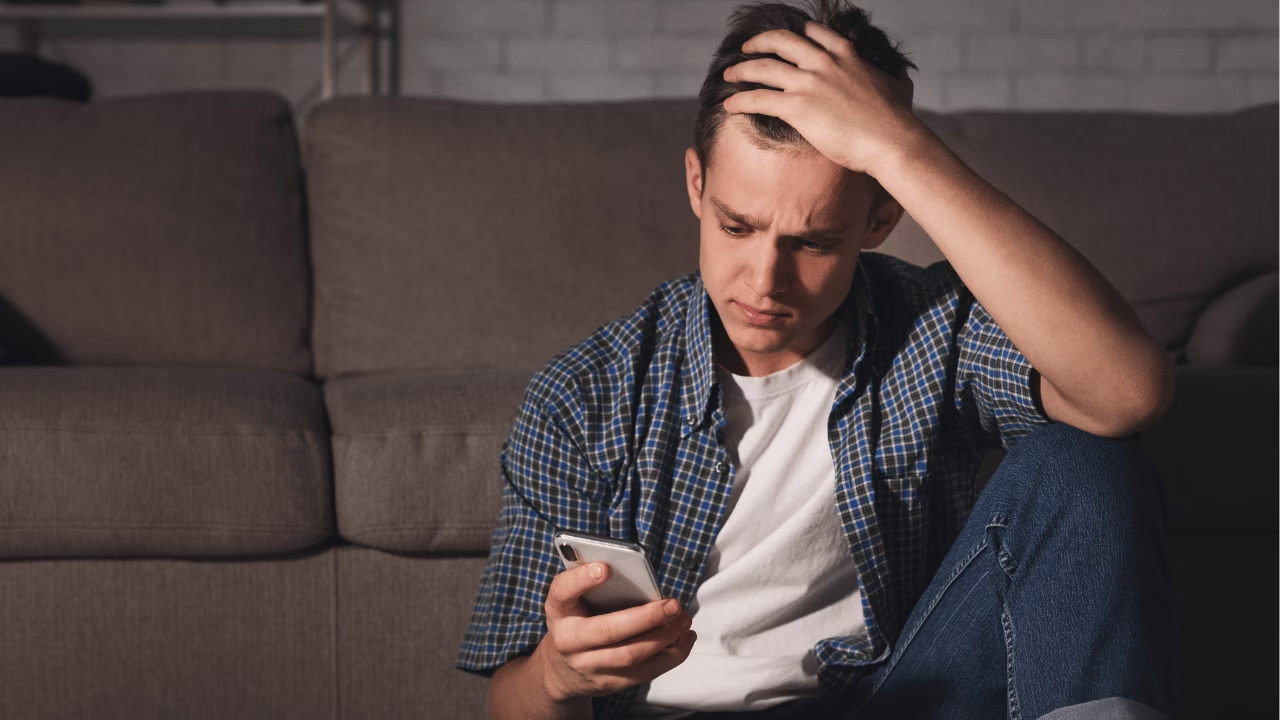
Academic Disruption
Notifications and endless feeds interrupt concentration. Research on digital multitasking shows it makes it harder to learn and remember information, and many teachers report students who find it hard to stay on task.
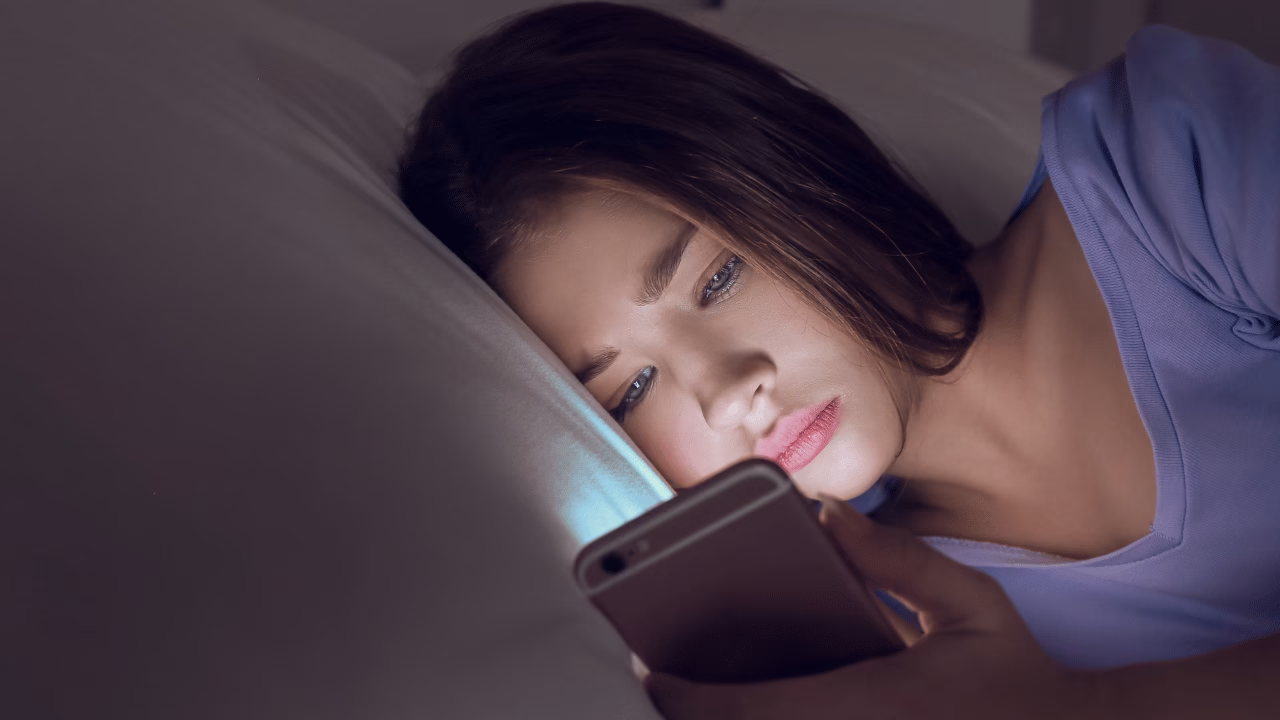
Health Implications
Late-night scrolling cuts into sleep, and teenagers who use phones in bed tend to sleep less and less well. Keeping phones out of bedrooms overnight is one of the simplest and most effective changes a family can make.
Declining Social Skills
Online interaction can crowd out the face-to-face time where children practise reading social cues. Likes, follower counts and comparison with others can leave young people feeling judged or left out.
Youth mental health
The debate about adolescent mental health
In The Anxious Generation (2024), social psychologist Jonathan Haidt argues that a shift to a “phone-based childhood” in the early 2010s is a major cause of rising teenage anxiety and depression. The argument has been hugely influential with parents and policymakers.
Other researchers argue the evidence for social media as the main cause is weaker, and that effects vary a lot between young people. Most agree on sensible steps regardless: limits on late-night use, delaying smartphones and social media accounts, and talking openly with young people about how it makes them feel.
The US Surgeon General’s 2023 advisory noted that adolescents who spend more than three hours a day on social media face double the risk of poor mental health outcomes, and called for stronger protections.
Policy and regulation
How governments are responding
Governments are now acting. Australia’s social media minimum age law took effect on 10 December 2025, requiring platforms to take reasonable steps to stop under-16s having accounts (eSafety Commissioner). Other countries are watching its results closely.
Many schools, in Asia and elsewhere, have introduced phone-free school days that restrict phones during lessons and breaks.
For schools, the practical questions are: what is your phone policy, how do you handle incidents that start online, and how do you support parents to set boundaries at home?
We help schools answer those questions with staff training, parent workshops and policy support tailored to international and bilingual school communities.